
When we hear the word ‘gospel’ today, we tend to think of the basic message of Christianity; namely that mankind is separated from God through sin and that Jesus paid the penalty for our sin through His death, burial and resurrection. However, we will see that the word ‘gospel’ in the time of Jesus carried a significantly different meaning.
The Bible tells us that Jesus went about preaching ‘the gospel of the kingdom’ (Matt. 4:23). Yet we have no record of Jesus directly preaching to the crowds that He was going to die and rise again so that through faith in Him we could come to God. Furthermore, Jesus even sent His disciples out to preach ‘the gospel’ (Luke 9:6). If Jesus’ disciples were preaching about His coming death, burial and resurrection, why then were they so confused and depressed after Jesus’ death?
I believe the answer to this question can be found by studying the ancient practice of the Jubilee and its role in Messianic prophecy.
The Jubilee System
Life in Ancient World was tough, and many lived as farmers who were completely dependant on the produce of their fields. Those finding themselves in severe financial hardship could temporarily sell their land and even themselves into slavery. The laws of the Jubilee then stipulated that a friend or relative could ‘redeem’ or buy back the land and set those who had become slaves free. However, if no redeemer was found; in the 50th year, God Himself would cancel the debts of the poor, He would set the slaves free, and He would restore them to their individually allotted inheritance.
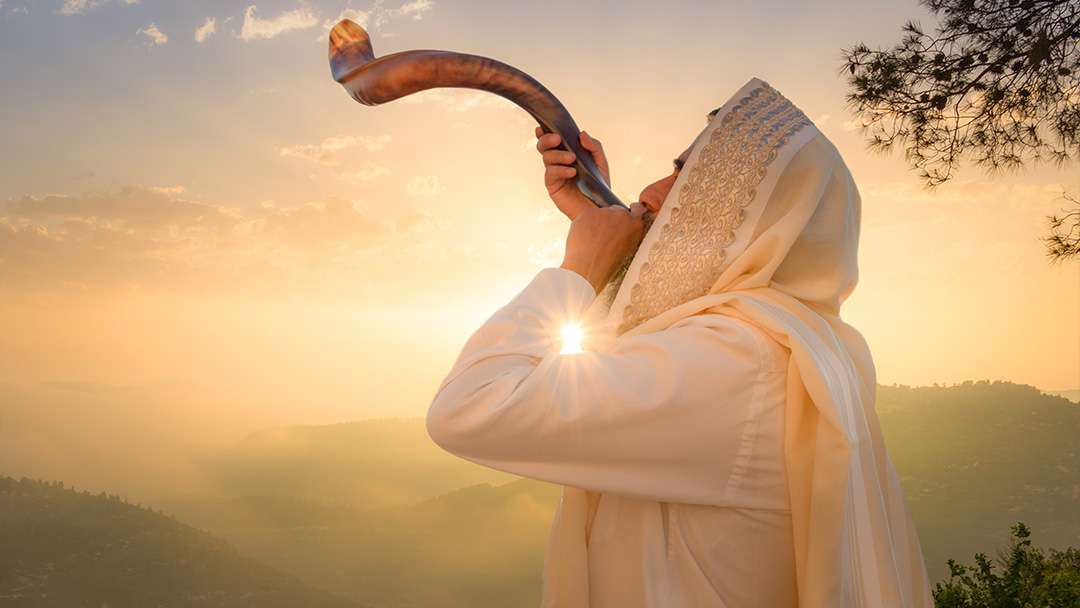
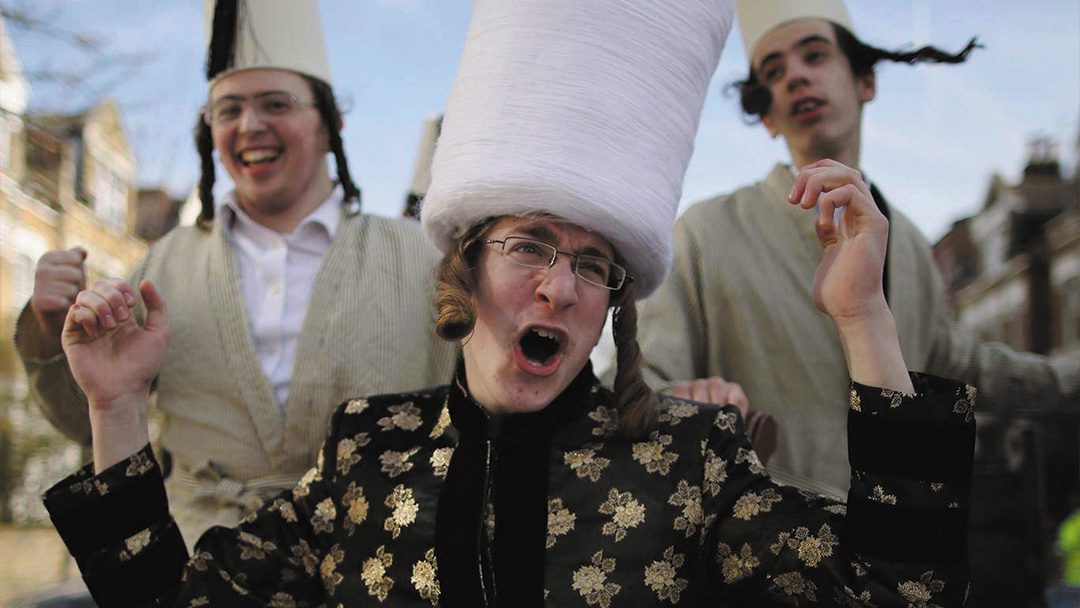
Just imagine for a moment the dramatic nationwide joy of this once in a generation occasion! Tears and shouts of joy would have erupted across Israel as debts were cancelled, as families embraced loved ones who had spent years in slavery, and as people returned to their God-given farms and properties.
A National Bankruptcy
The nation of Israel itself soon became morally ‘bankrupt’. As a result, the land was invaded and conquered by foreign armies, and the entire population found themselves in slavery to foreign powers. The nation was powerless to set themselves free from this slavery, to return to their land or to ‘pay off’ their debt.
The people of Israel began to long for a redeemer, one who would restore them to freedom and to their God-given inheritance. In fact, to this day, Judaism speaks longingly of this national redemption and the Messianic age to come.
Sky High Expectation
At the time of Jesus birth, expectation of the coming redeemer was sky-high. Anna the prophetess excitedly spoke of Jesus to all those ‘who looked for redemption in Jerusalem’ (Luke 2:36).
Then as Jesus started His ministry, His very first sermon was a reading from Isaiah 61. “The Spirit of the Lord is upon me…” He began, “to preach good tidings to the poor… liberty to the captives… To proclaim the acceptable year of the LORD… And they shall rebuild the old ruins…”
This prophecy of Isaiah speaks of the Messiah declaring the “acceptable year of the Lord”, or in other words, the Jubilee. No wonder all the people in the Synagogue were staring at Jesus after He spoke these words!
This Messianic Jubilee proclamation is ‘good news’ to the poor. Why? Because their debts are being cancelled. This Jubilee proclamation is ‘freedom to the captives’. Why? Because the bankrupt slaves have their debts cancelled and their freedom restored. They will ‘rebuild the old ruins’. Why? Because the people are returning to their own ancestral inheritance and beginning to restore the old properties and cities that had fallen into disrepair. All this is truly ‘good news’! With this Messianic declaration, it is no wonder that people flocked to Jesus, and that many wanted to crown Him King.
In these words from Isaiah, we also discover the answer to our earlier question about the ‘gospel’ (or good news) which Jesus preached. The gospel Jesus preached wasn’t a message of faith in Him for salvation from sins (all though this message is important). Instead, this gospel message was understood to mean that the ‘Jubilee restoration’ was at hand.
The Disappointment
The peoples hope of an imminent Jubilee came crashing down as Jesus breathed his final breath on the cross. His own disciples spoke of their disillusionment as they were hoping it ‘was he who was going to redeem Israel’ (Luke 24:21)
After His resurrection, Jesus spends the next 40 days with His disciples. The only question the disciples asked Jesus at this time reflects what was on their hearts. ‘Lord will you at this time restore the kingdom to Israel?’ (Acts 1:6). In other words, is the Jubilee going to happen now?
Fast forward to the day of Pentecost, and we see this question of the Jubilee still lingering as Peter gets up to speak. Anointed by the Holy Spirit, Peter explains ‘Jesus has to remain in heaven until the time comes for restoring everything, as God said long ago, when he spoke through the holy prophets’ (Acts 3:21). In other words, what the prophets have said about the Jubilee, will take place. The restoration is coming, and it will be a Jubilee restoration of ‘everything’, coming to its fullness at the time of Jesus’ return.
In other words, the return of Jesus is something to look forward to with expectation, just like the Jubilee in ancient Israel. It will be a time of restoration, a time of freedom, a time of release for those in bondage and slavery, and a time when ancient inheritances will be restored. No wonder this is good news!
The joyful expectation of the Jubilee must have been what Jesus had in mind when He said ‘when these (End Time prophecies) …begin to happen, look up and lift up your heads, because your redemption draws near.’ (Luke 21:28)
To learn more, see our new 5 Part Bible study resource on the Jubilee available at www.olivetreeministries.org.au/eshop







0 Comments